核心提示:2026年11月14日,中外新闻社总编辑韦燕率领中外新闻社深圳APEC会外记者前往深圳APEC新闻中心,了解到:普京、特朗普等多国元首将出席深圳APEC...
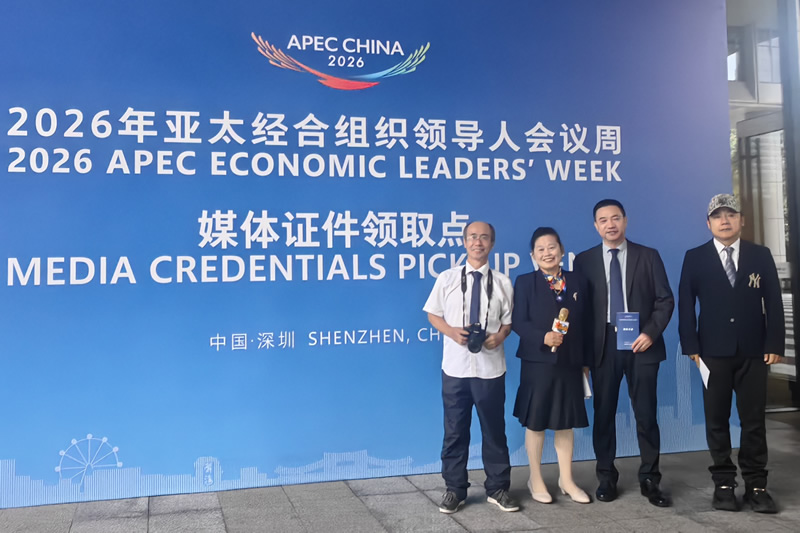
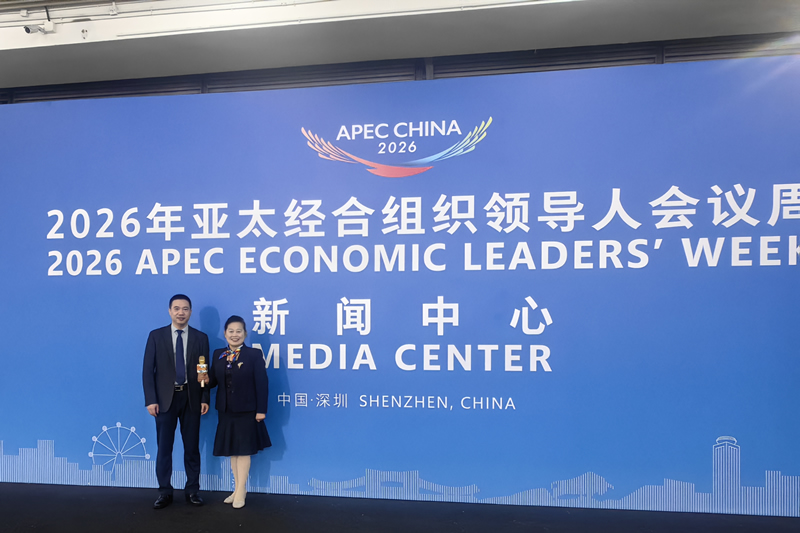
(中外新闻社 中外新闻网记者 韦燕)深圳的十一月,风带着一丝凉意,也蕴藏着一种难以言喻的期待。2026年11月14日,中外新闻社总编辑韦燕率领中外新闻社深圳APEC会外记者前往深圳APEC新闻中心,了解到:普京、特朗普等多国元首将出席深圳APEC。
In November in Shenzhen, the wind carries a hint of coolness, yet it also holds an indescribable sense of anticipation. On November 14, 2026, President Wei Yan of Home and Abroad News Press led a group of Shenzhen APEC side-event reporters to the Shenzhen APEC Press Center, where they learned that Putin, Trump, and other heads of state would attend the Shenzhen APEC Summit.
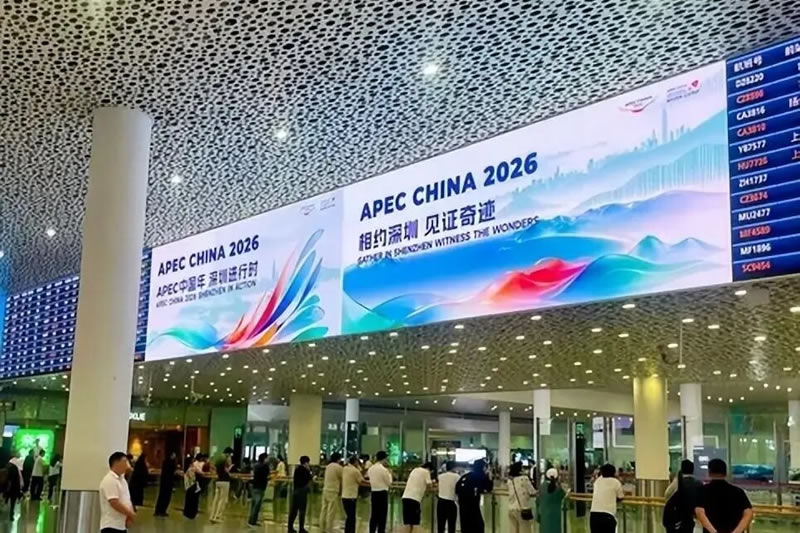
澳大利亚、加拿大、智利、印度尼西亚、韩国、马来西亚、墨西哥、泰国、越南APEC经济体领导人将出席峰会井发表演讲、致辞或参与专题研讨。
Leaders from the APEC economies of Australia, Canada, Chile, Indonesia, South Korea, Malaysia, Mexico, Thailand, and Vietnam will attend the summit to deliver speeches, remarks, or participate in thematic seminars.
许多人以为,亚太经合组织峰会不过是各国领导人围坐一堂,谈谈贸易,聊聊投资,最后拍几张仪式性的合影,然后发表一份云淡风轻的声明。但当2026年11月18日至19日,深圳灯火辉煌,迎接来自世界各地的嘉宾时,这场会议注定远不止于一场简单的经贸论坛。 如果普京和特朗普最终都能踏上这片土地,那么全球的目光很可能从亚太经济合作这个关键词,转移到一场充满变数的、关乎世界格局的大国会晤。他们究竟会选择在中国这片土地上,面对面地坐下来吗?会谈时间会是匆匆的十五分钟,还是更深入的半小时?谈话内容会停留在客套与礼节之上,还是触及俄乌冲突这个世界的神经,探寻一条真正的出路? 俄罗斯方面不断释放着微妙的信号,却始终没有给出明确的答案。仔细想想,越是没有把话说死,恰恰说明事情的背后存在着巨大的操作空间,蕴藏着无限的可能性。
Many people assume that the APEC Summit is nothing more than a gathering of world leaders who sit around a table, discuss trade and investment, take a few ceremonial group photos, and then issue a perfunctory statement. But when Shenzhen is aglow with lights on November 18–19, 2026, welcoming guests from around the world, this meeting is destined to be far more than a simple economic and trade forum. If Putin and Trump ultimately set foot on this soil, the world’s attention will likely shift from the keyword “APEC” to a major summit between world powers, one fraught with uncertainty and with implications for the global order. Will they actually choose to sit down face-to-face in China? Will the meeting last a brief fifteen minutes, or a more in-depth half hour? Will the conversation remain confined to pleasantries and formalities, or will it touch on the Russia-Ukraine conflict in search of a genuine solution? Russia has been sending subtle signals but has yet to provide a clear answer. Upon closer reflection, the very fact that they have not ruled anything out suggests that there is immense room for maneuver behind the scenes, harboring infinite possibilities.
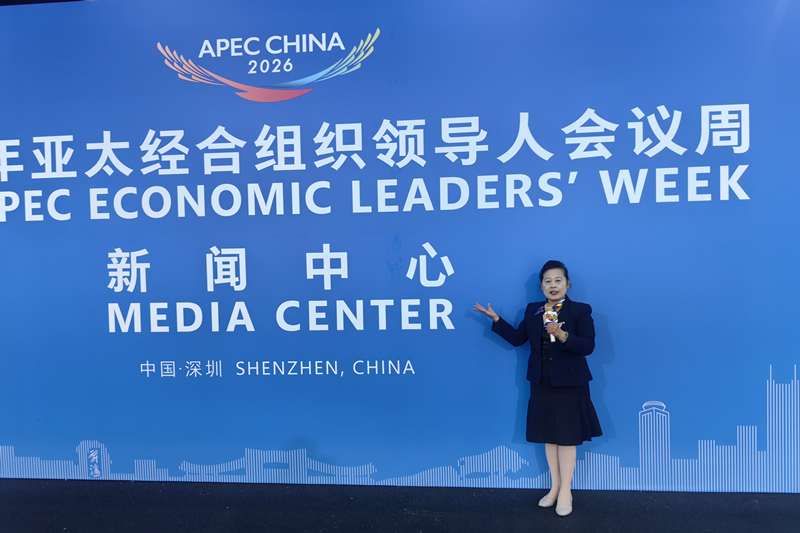
2026年11月18日至19日,亚太经合组织第三十三次领导人非正式会议,将落户深圳。这是中国第三次承办APEC峰会,从2001年的上海,到2014年的北京,再到如今的深圳,这短短的25年间,举办城市的轮换,亚太经济版图的变迁,乃至国际力量对比的重塑,无不昭示着时代洪流的变迁。 这次,中国显然不仅仅是临时准备一场为期两天的会议。而是早在一年之前,便如同一位细致的工匠,用一张精巧的大网将经济、外交、媒体、城市服务等各个环节紧密连接起来,以待一场盛会。 全年组织了约300场不同规模的活动,足迹遍布广州、上海、大连、成都、深圳等十余座城市。截至8月底,中方已经成功举办了三次高官会以及一系列数字周等活动,并召开了涵盖妇女与经济、贸易、旅游、林业、粮食安全等领域的专业部长会议,吸引了近7000名代表参与。 刚过去的第三次高官会在大连成功举行,这是峰会前最后一次与各委员会、工作组会议相结合的高官会,它的主要任务,就是仔细梳理,补齐短板,协调议程,为11月的峰会做最后、最关键的冲刺。
On November 18–19, 2026, the 33rd APEC Leaders’ Informal Meeting will be held in Shenzhen. This marks the third time China has hosted the APEC Summit. From Shanghai in 2001 to Beijing in 2014 and now Shenzhen, these past 25 years have witnessed a rotation of host cities, shifts in the Asia-Pacific economic landscape, and even a reshaping of the international balance of power, all of which underscore the sweeping changes of our times. This time, China is clearly doing more than just making last-minute preparations for a two-day meeting. As early as a year ago, like a meticulous craftsman, it began weaving an intricate web that tightly connects every aspect, including the economy, diplomacy, media, and urban services, in preparation for this grand event. Throughout the year, approximately 300 events of varying scales were organized, spanning more than a dozen cities including Guangzhou, Shanghai, Dalian, Chengdu, and Shenzhen. As of the end of August, China had successfully hosted three Senior Officials’ Meetings and a series of Digital Weeks, as well as specialized ministerial meetings covering areas such as women and the economy, trade, tourism, forestry, and food security, attracting nearly 7,000 delegates. The recently concluded third Senior Officials’ Meeting was successfully held in Dalian. As the final Senior Officials’ Meeting prior to the Summit to be held in conjunction with the various committees and working groups, its primary tasks were to carefully review progress, address shortcomings, coordinate the agenda, and make the final and most critical push toward the Summit in November.
这足以证明,大国谈判绝非按下暂停键那么简单。谈判桌上的言辞可以温和,但战场上的现实却依然冷酷。一股穿梭于美俄乌之间的外交热潮正在涌动。但我们必须清醒地认识到,节奏加快并不等同于谈判的突破,特使能够传达信息,并不意味着最高层已经找到了共同的解决方案。领土问题、安全保障问题以及战后秩序问题,最终都需要最高层级的领导人作出决定。俄方还释放了一个更加值得关注的信号:如果能够在APEC框架下组织中俄美三方会晤,那将对国际局势产生积极影响。为此,需要东道主进行协调,并投入充分的外交准备。这句话实际上把球巧妙地踢到了中方脚下。俄罗斯表达了意愿,却没有主动承诺推动,它希望保持与美国接触的空间,又不愿承担主动求和的政治责任,这无疑是一种四两拨千斤的策略。中方的回应同样克制而稳健。
This clearly demonstrates that negotiations among major powers are by no means as simple as pressing the “pause” button. While rhetoric at the negotiating table may be conciliatory, the reality on the battlefield remains harsh. A flurry of diplomatic activity is currently underway between the U.S., Russia, and Ukraine. However, we must clearly recognize that an accelerated pace does not equate to a breakthrough in negotiations; just because special envoys can convey messages does not mean that the highest levels of leadership have already found a common solution. Issues regarding territory, security guarantees, and the post-war order ultimately require decisions from the highest-level leaders. The Russian side has also sent a signal that deserves even closer attention: if a trilateral meeting between China, Russia, and the U.S. could be organized within the APEC framework, it would have a positive impact on the international situation. To achieve this, the host country would need to coordinate efforts and invest in thorough diplomatic preparations. This statement effectively and skillfully passes the ball to China. Russia has expressed its willingness but has not actively committed to driving the process forward; it hopes to maintain room for engagement with the United States while avoiding the political responsibility of taking the initiative to seek reconciliation—this is undoubtedly a strategy of achieving maximum effect with minimal effort. China’s response has been equally restrained and steady.
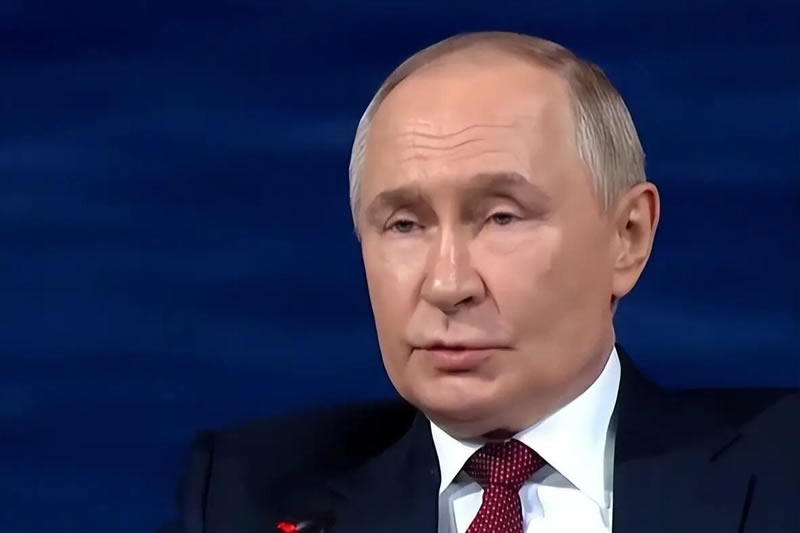
中国举办APEC,不是为了替任何一方站台,也不是为了精心设计一场政治表演,而是将各方都请到同一张桌子旁,让分歧有机会被表达,让利益有机会被计算,让冲突有机会被管控。这也许就是大国外交最宝贵的价值:不是保证所有人立刻达成一致,而是在最复杂、最危险的时刻,仍然为世界保留一条能够继续对话的道路。
China’s hosting of APEC is not intended to take sides with any party, nor is it meant to stage a carefully orchestrated political spectacle. Rather, it aims to bring all parties to the same table, providing an opportunity for differences to be expressed, interests to be weighed, and conflicts to be managed. This may well be the most valuable aspect of great-power diplomacy: not guaranteeing that everyone reaches immediate consensus, but ensuring that, even in the most complex and dangerous moments, the world retains a path for continued dialogue.